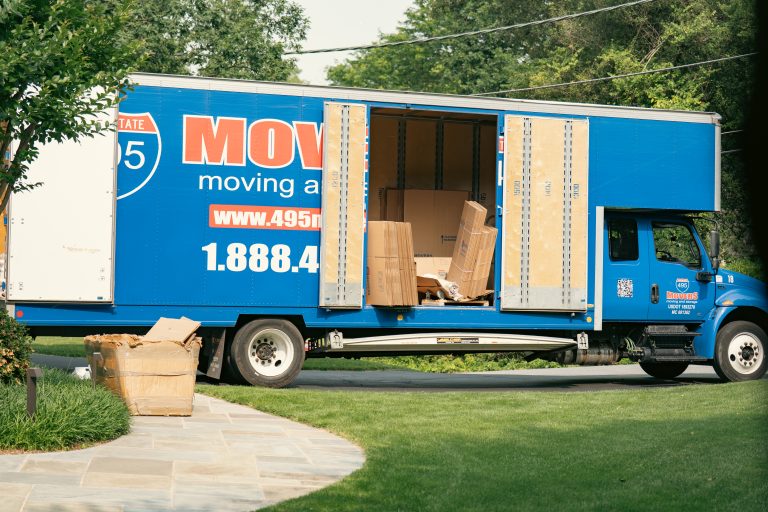
Must-Ask Questions Before Hiring Movers
Before hiring a moving company, ask if their crews are full-time employees or day laborers, if they are a broker or independent contractor, what percentage of their moves result in damage, and everything included in the quote. Make sure you get their responses in writing so you have something to fall back on if the final bill changes from the estimate.
Do moving dates affect the price?
A fixed move date can cost you more when compared to a flexible move date. Similar to airline ticket pricing, the earlier the booking, the better the value. Last-minute changes, even weeks in advance, can affect pricing. Knowing which dates have availability and whether there is any flexibility for changes is crucial, especially when events like home closings can create unexpected shifts in plans.
Is it cheaper to move in winter?
Winter months typically come with lower move rates. The demand goes up in the summer months and can come with higher rates. Not everyone has the flexibility to choose when they move. It’s a lot harder for families with kids to move in the winter while school is still in session. That said, if you do have the flexibility and want to save on your move, aim for a move date between October through Febraury.
Are the move crews employees or day laborers?
Full-time employees are trained, experienced, have undergone background checks, and are vetted by the company. There’s no guarantee of these things for day laborers. They’re hired for one job, and the next day they’re gone.
Clients should also ask about the number of workers, the volume of jobs handled annually, and the number of trucks in operation. Asking specific questions like this can also help you determine if you’re speaking with a broker or an independent carrier.
Do you charge for packing supplies?
Packing materials and labor can significantly impact the final cost. Some companies charge for tape, shrink wrap, or extra boxes, while others include all materials for free. Packing supplies can easily run you $300, $400, and $500+ dollars.
Are disassembly and reassembly included in your services?
Disassembly and reassembly of furniture is often overlooked but is critical for preventing damage. Movers who provide this service ensure that items are securely packed and transported, minimizing potential damage.
Are you a broker or independent carrier?
A broker is someone who books your move and then sells or subcontracts the job out to a third party. They have very little involvement after they book the job, and put the remainder of the work on the company they hire. The customer has very little to no knowledge of the company that actually shows up on the day of the move. So there’s no guarantee that the mover hired for the job is certified, insured, or trained for the job.
On the other hand, independent carriers have their own employees and trucks. They don’t subcontract the move out to a different company and do everything in-house.
What are accessorial fees associated with the moving quote?
Add-on charges, also called accessorial fees, can quickly add up. These may include stairs, long carries, elevator fees, fuel surcharges, or travel time. Understanding these potential fees upfront is crucial. Clients should request itemized estimates and clarify whether charges are included in binding or non-binding quotes.
What does your move process look like?
Before the movers start working on move day, they should always do a walk-through of the house to confirm inventory.
How many times will your items be handled during transit, especially for long-distance moves?
Understanding this process is critical. Each time your items are loaded, unloaded, or transferred between trucks and warehouses, the risk of damage increases. A green flag is a company that uses the same movers for pickup and delivery and keeps your items on a single truck whenever possible. Avoid situations where your belongings are shuffled between multiple locations unnecessarily.
How do your rates work?
The most common types of rates include flat rates, weight-based estimates, and hourly rates. Each one has its advantages and disadvantages, so let’s go through each of them.
Hourly rates are simply the number of hours it will take to move the inventory in your estimate and are most common for local moves. That said, if your mover doesn’t do a good job of taking your inventory…. That 6-hour job can turn into 12 hours, and you’ve just doubled the cost of your move.
With a flat rate, you get a guaranteed price for your move. That means no surprise fees, no add-ons, and slow jobs don’t cost you more. One thing to watch out for is any inventory changes. Since flat rates are based on the inventory in your estimate, if that inventory ends up being more than your estimate, you can still end up paying more.
A weight-based estimate is based on your inventory’s estimated weight and is most common for long-distance moves. The truck gets weighed empty and again after it’s been loaded. Customers will typically be charged a minimum, but if the weight goes over, the customer ends up paying more…
Final Takeaways
A successful move relies on preparation, proactive communication, and careful evaluation of moving companies. Key steps include:
- Conduct thorough in-home estimates to get accurate quotes and ask detailed questions.
- Understand all add-on charges and clarify potential cost increases or decreases.
- Verify the mover’s process for handling and transporting items, particularly for long-distance moves.
- Ask for references or repeat customer testimonials to gauge reliability.
- Ensure clear inventory separation and labeling to avoid mix-ups.
- Confirm tipping guidelines and budget accordingly.
By asking the right questions, reading the fine print, and observing how a company operates, you can avoid hidden fees, minimize risk, and ensure a smooth moving experience. Choosing a proactive, trustworthy mover transforms what can be a stressful process into a seamless transition.
Pro Tip: Keep a copy of all estimates, contracts, and communications. If something feels ambiguous, ask for clarification immediately—an educated customer is a protected customer.