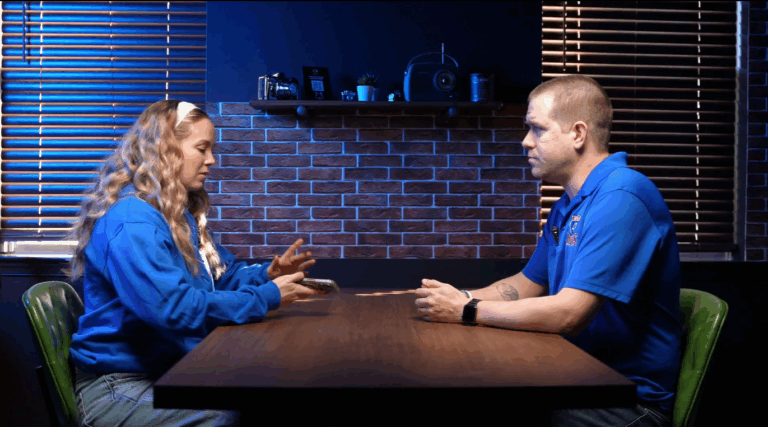
After 16, going on 17 years in business, you could say the team at 495 Movers has heard its fair share of moving stories: some good, some bad, and some flat-out ugly.
In Episode 5 of the 495 Movers Podcast, Moving Unboxed, host Justin Bruni and co-host Andrea Pedon share some of these stories. After all these years, it still surprises us some of the things that people have to deal with.
In this episode, Justin and Andrea categorize moves as good, bad, or ugly and break down what could have been done differently, and give advice on how to prevent a bad move from happening in the first place.
Listen to the full podcast episode on Spotify.
What makes a good moving experience?
A “good move” can be described as one where the crew shows up on time, communication is clear, nothing gets damaged, items are delivered on time, belongings are set up in the new home correctly, and the customer feels taken care of throughout their entire experience.
Beyond these examples, a good move is more importantly impacted by how a team preps for a move before the team even arrives on-site, as well as how prepared and efficient they react to any unexpected challenges.
Real Examples of Good Moves
It Rained All Day
“It rained all day. The movers laid down runners, brought towels, and the movers were calm and professional. The weather didn’t slow them down.”
In this situation, the move went on as planned despite the bad weather, and that’s what you should expect from professional movers. What you don’t want in this situation is for the moving company to ask the client to use their own towels or lay down their own runners.
What Went Well:
- The crew came prepared with their own equipment.
- They took steps to protect the home.
- The quality of the move didn’t change despite the rain.
One POC, No Surprises
“During our move, we had one point of contact in customer service. They walked me through all the paperwork and the fine print in the contract.”
Having one person throughout the move is crucial. You don’t have to worry about: “Who do I reach out to?” or “Who do I send the deposit to?” Having someone walk you through the contract is a huge plus, too. Too many moving businesses focus on strategic ambiguity and want you to get lost in the fine print. A company that is upfront ensures you understand every sentence from the jump, which creates a well-rounded experience.
What Went Well:
- Accessible and clear communication from the start.
- Full transparency about pricing and terms.
- One person to reach out to for all questions, and who is on top of all your move details, making it simple and clear for the customer who to reach out to.
The Inventory Advantage
“The customer disclosed all extra-large and high-value items, including a Peloton, baby grand piano, grandfather clock, and gym equipment. There were no surprises on move day.”
It’s important for customers to know that some items may cost more, like a baby grand piano, which can cost anywhere from $400-700 to protect during a move. Bottom line, a visual estimate is a must for all moves and is one of the best ways to disclose inventory. Especially high-value items, like in this example.
What Went Well:
- Clear communication between the customer and the moving company for large items being moved from the beginning.
- The moving company came prepared for the large items with all the right supplies.
- The customer didn’t get hit with any surprise charges or last-minute delays.
Common Causes for Bad Moves
Bad moves almost always happen because there isn’t clear communication between both parties. Either the moving company didn’t disclose all potential charges, or they didn’t set expectations from the beginning. There are also times when it’s simply due to poor preparation, lack of transparency, or outright unprofessional behavior that turns what should have been a positive experience into a stressful one.
Real Examples of Bad Moves (and How to Avoid Them)
Disassembly at Your Own Risk
“The customer disassembled their own furniture, and the movers couldn’t put any of it back together. It took all parties to reassemble the furniture.”
Most often, this happens when the movers don’t see the items disassembled or when they don’t do it themselves. If they are starting from scratch and have no instructions, it can take a little bit longer to reassemble, which could incur additional charges. Another thing to watch out for in a situation like this is potential additional charges. At 495 Movers, the team includes the disassembly and reassembly of large furniture when moving. However, not all moving companies offer the same.
What could have been done differently:
- Let the movers disassemble themselves so they will know how to reassemble it.
- If you disassemble things ahead of time, keep all hardware and instructions so the team can put it back together.
- *Bonus: Confirm if disassembly and reassembly are included in your quote to avoid being hit with additional fees.
Scope Creep Has a Price Tag
“A barren one-bedroom move tripled in size because the client brought stage items back to the home. The move size increased, tripling the costs.”
Clear communication about inventory and scope is critical. If the inventory increases, expect an increase in your bill as well. Omitting details can heavily impact move day, costs, and overall experience.
What could have been done differently:
- Get a visual estimate to confirm all items in your inventory (everything you’re moving).
- Be upfront about everything you’re moving.
- For example, if you have items you want moved from your storage unit but this wasn’t a part of your initial move scope, be prepared to pay additional charges.
- Do a walkthrough with the movers on move day to confirm all items you are moving before they start the work.
Hostage Inventory Situation
“The mover refused to unload the truck unless the customer paid in full plus an extra $900, which the customer wasn’t aware of.”
This is most commonly referred to as a hostage inventory situation. Some moving companies will purposely leave extra charges out of the paperwork, then spring them on the customer at the most vulnerable moment. Unfortunately, calling the police in this situation probably won’t help, as they will just confirm what the contract says. Your best move is to get on the phone with the owner of the business or the customer service representative who has the authority to potentially fix the problem. Probably the worst thing you can do is just argue with the crew who is on-site.
What could have been done differently:
- Any change in cost should be communicated directly to the customer BEFORE the on-site team arrives or as soon as possible.
- Get multiple quotes (at least 3) from different companies before hiring a mover to compare and weigh one over the other.
- Put your quote into ChatGPT, Gemini, Copilot, or other similar software to review it for any red flags or potentially additional fees.
Movers Smelled Like Alcohol
“Movers showed up smelling of alcohol and drugs, causing a delay in the sale of the customer’s home.”
Unfortunately, this does happen. The good news? Unprofessional behavior like this will likely show up in reviews. Another reason why it’s so important to do your own research before hiring a mover. If you do find yourself in this situation, the best thing to do is not allow the crew to begin working, as it’s a liability to your things and your property. Get on the phone with someone from their customer service or the business owner. If that’s not an option, your next best bet is to document everything. Take pictures, document arrival and start times, and keep a record of all communication.
What could have been done differently:
- The moving company should’ve sent replacement workers who were not inebriated and sent the other workers home.
- Before you hire a mover, confirm their drug and alcohol policy for their workers.
- Read reviews BEFORE hiring the company. Again, unprofessionalism like this will most likely show up in reviews.
Questions to Ask BEFORE Hiring a Moving Company
These are must-ask questions before hiring a mover. Use these to avoid 90% of bad experiences:
- What’s your protocol for bad weather?
- Do you bring your own protective equipment (runners, padding, etc)?
- A red flag is if they expect the customer to lay down their own towels or runners.
- Is furniture disassembly and reassembly included in the quote?
- Are there additional charges if reassembly takes longer than expected?
- How do changes in inventory affect the final cost?
- Bonus Tip: Ask if your rate will change if your inventory decreases. At 495 Movers, if the move takes less time than originally estimated, it’s credited back to the client!
- Can I update my inventory list before move day if something changes?
- Do you do a walk-through before the move starts to confirm what’s moving and what’s not?
- Are packing supplies included?
- Do you offer a visual estimate to confirm my full inventory?
- Are there any other additional charges I should be aware of that are not included in this quote (like long-carry, stairs, fuel, etc)?
- What are your payment terms, and when is payment due?
- Are your movers employees or subcontractors?
- What happens if there’s an issue with the crew on move day?
When you’re working with a reputable mover, a good mover should be able to answer all of these questions without hesitation. Remember, your experience should start positively from the first interaction with them! There are plenty of good companies out there, along with the bad. But when you know the right questions to ask, review and confirm your inventory, and do your research before hiring a mover, you should have nothing to worry about.